The Diagnosis
I must have been around eleven, maybe ten; I can’t quite remember. But I do remember my grandma asking me to walk up and down while she watched me. After a moment, she asked, “Why are you bending to the side when you walk?”
“I’m not,” I said.
When I stood still, she looked at my posture more closely and said, “wa suga” in Twi, meaning I had posed in a way that made my body bend. But I hadn’t posed. I was just standing. Still, she was adamant that something wasn’t right. One thing led to another, and I was taken to the hospital. My back was looked at, an X-ray was taken, and I was diagnosed with scoliosis.
No one in my family had heard of scoliosis before, and no one really understood what it meant or how it had happened. All we knew was that my spine was bending by itself, and we didn’t know why.
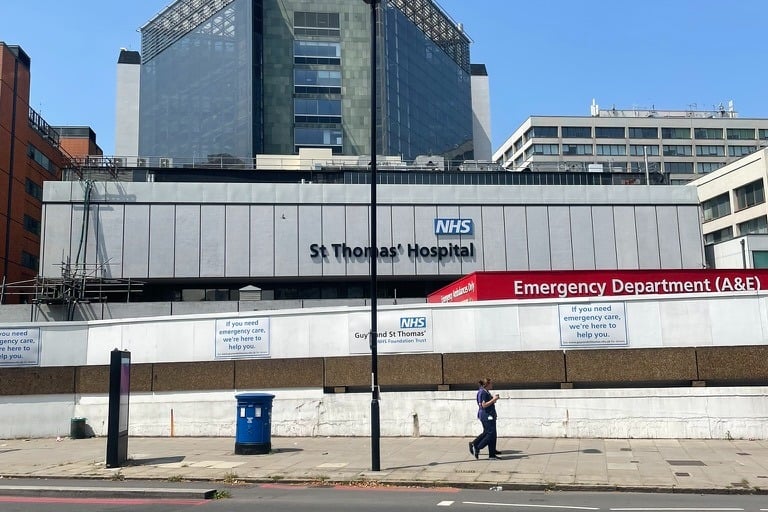
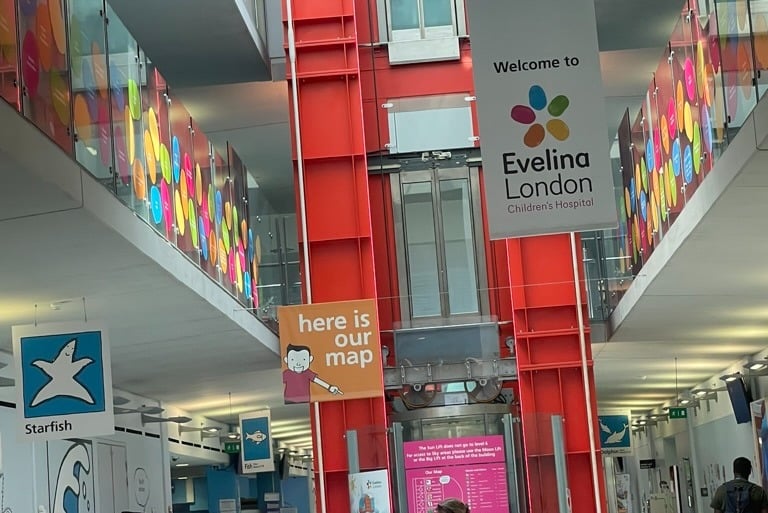
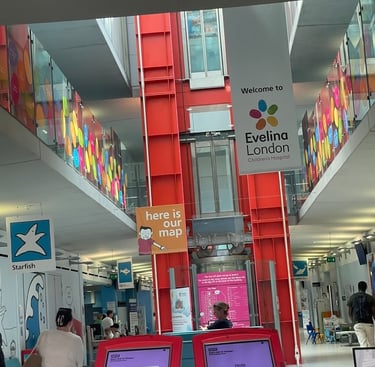
Life carried on. I moved to the UK, I went to the GP, and I was referred to Evelina Children’s Hospital, Guy’s and St Thomas’ in London. It was there that everything began to feel more real.
The Waiting
Once the surgery dates were confirmed, all we could do was wait and pray. I had a booklet from the hospital which explained what to expect, what to pack, and what happens next. I’d read through it and study it. I'd also watch videos of the surgery online, because I wanted to understand what was going to happen to me.
The Surgery
To the surgeons, it was routine. Everything was planned. My bags were packed for what we expected to be a stay of just over a week. My hair freshly braided, I was ready for the hospital.
But a week turned into more than three.
My body had other plans. There were complications that caught the surgeons off guard, and they had to operate again. At the time, I didn’t fully know what was happening, but later I learned just how serious it had been. There had been a moment when neural monitoring was lost, and conversations had taken place about the possibility that I might not walk again.
While all of this was unfolding, my family prayed and those prayers, I believe, carried me through.
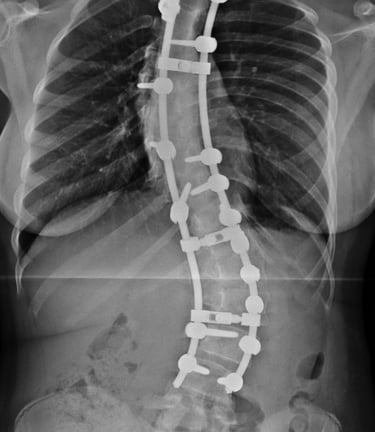
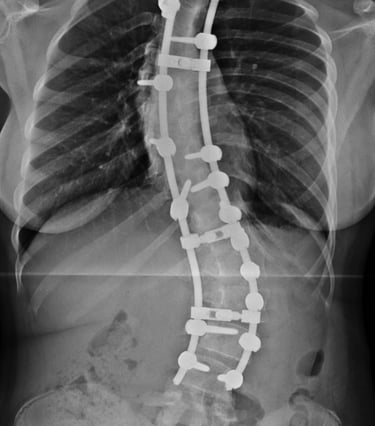
The second surgery was successful. My spine was fused from T2 to L4, and with that, a new chapter began, the unglamorous road to recovery.
Recovery: The Part No One Prepares You For
Recovery was painful. I hated seeing the physio walk in because I knew what was coming. Log roll to stand up, learning to walk again, learning to squat to use the loo.
The days felt slow and heavy from the morphine. The nights were long and restless; I barely slept. I didn’t really have an appetite, and more than anything, I just wanted the pain to go away.
The team at Evelina Children’s Hospital, Savannah Ward, were incredible. There was one nurse who would fluff my pillow in a way that somehow made it just right, and every time he did, I managed to fall asleep. Another nurse once went out of her way to get me a McDonald’s chicken burger because I was craving it.
Once I got the all clear, I returned home, back in my own bed, eating home-cooked meals, and slowly relearning how to do things for myself in my new body.
Two years post-op, I was officially discharged. The surgeons were pleased with my progress, and I was chuffed. In my mind, I was fixed, and so I closed that chapter and got on with being a teenager.
Over a decade later
Over a decade fused and I'm still learning what it means to be living with scoliosis. One thing I’ve come to understand is that surgery doesn’t fix scoliosis. It straightens and stabilises the spine, but scoliosis is more than the curve. It shows up in muscle imbalances and in how you see yourself.
For a long time, I kept this part of my story quiet. After all, when you look at me, you can’t tell I have scoliosis, so why speak up about it? I didn’t know anyone else who had gone through what I had, and more than anything, I just wanted to fit in.
But through sharing my story, I've connected with people from all over the world who understand what this journey feels like.
So maybe you’re reading this because you’ve just been diagnosed and you’re scared. Maybe you’re a parent trying to understand what your child is facing. Or maybe you’re like me, someone who closed that chapter after surgery, only to find yourself returning to it years later with new questions.
Wherever you are in your journey, I hope you know this: scoliosis is not something to be ashamed of. It is part of your story, not the whole thing and learning to accept it can be the beginning of a more compassionate relationship with yourself.
The Consultations
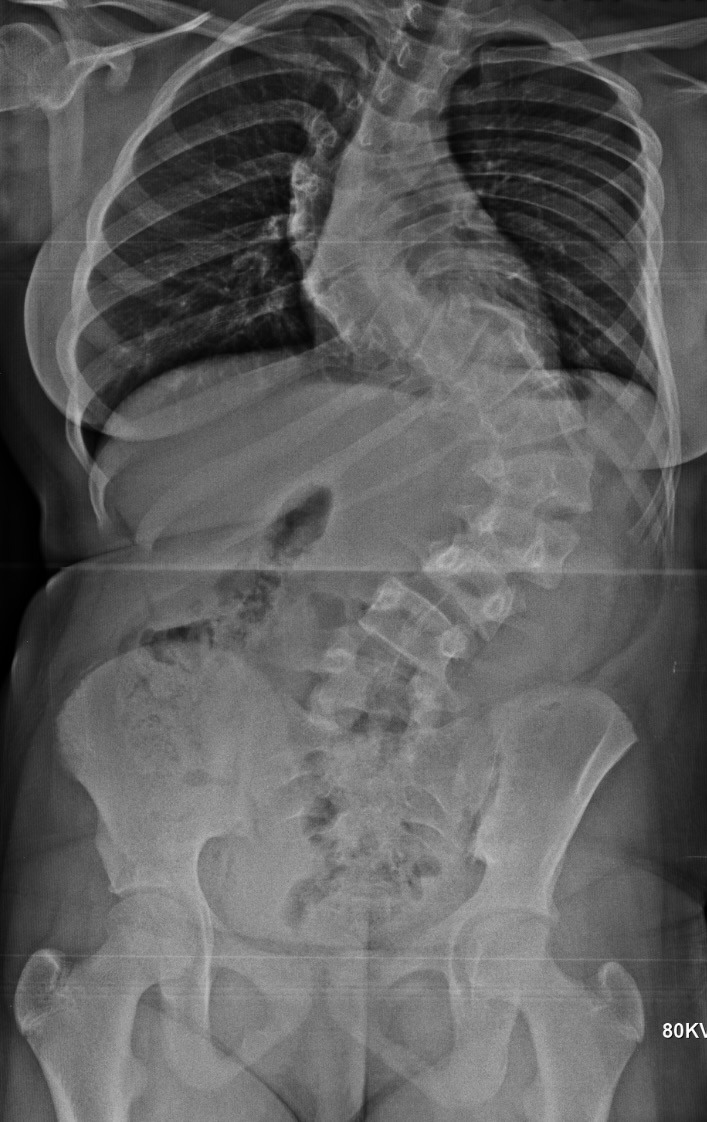
I began a series of consultations with my surgeon, who explained the nature of my curve, a double major S-shaped curve which would require surgery. I often joke that my spine really put the “S” in scoliosis, but the truth is, it was serious.
My Cobb angles were over 90 degrees in my thoracic spine and over 100 degrees in my lumbar spine, which meant the curves were too severe to be managed any other way, especially as I was still growing. I was only twelve.
There were countless X-rays taken in different positions, and while I didn’t fully understand what was happening, I just did as I was told. I remember the MRI machine: the loud, relentless drilling sound and me lying flat, my face inches away from the top of the machine with “Patience” by Take That playing through the white headphones.
After each round of scans and tests, we would return to the consultation room, where the multidisciplinary team would explain the details of what was to happen.
And yet, amidst all of that, there was something I looked forward to each time: a hot chocolate with whipped cream from the AMT coffee shop.
Connect
Contact
Subscribe
fusednotfragile@gmail.com
© 2025. All rights reserved.
Get updates on scoliosis, spinal fusion, fitness and stories